Free instant email delivery across the UAE · Corporate bulk orders from 25 cards · Prices in AED including VAT where applicable.

Gift card safety

Recognise the signs. Protect the code.

Gift card fraud almost always starts the same way: someone you cannot verify, a reason that sounds urgent, and a payment method that cannot be reversed. Here is how those scripts run, and what to do if one reaches you.

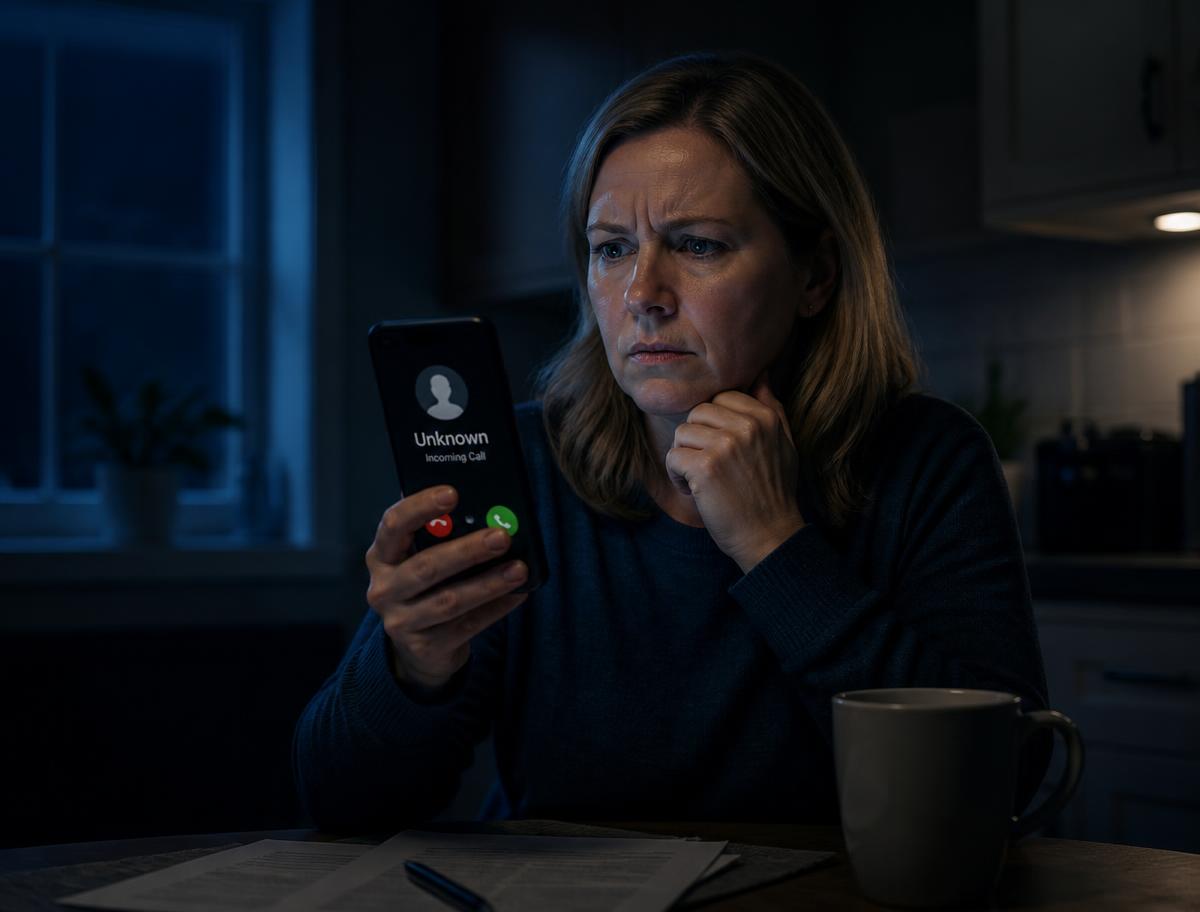
A person cautiously reviewing an unknown incoming call at home
Warning signs
  • Never share a gift card code with an unknown caller, however official they sound.
  • Government agencies and police forces do not collect fines or fees in retail gift cards.
  • Legitimate technical-support staff never ask a customer to buy gift cards as payment.
  • Urgency is the tell. Any request that cannot wait an hour deserves a second opinion.
  • Confirm unusual requests on a number you already have, not one supplied in the message.
  • Vouchora does not ask customers to send voucher codes through WhatsApp or social media.
  • Once revealed, a gift card code should be treated exactly like cash.

Six scripts we see repeatedly

Fraud rarely sounds absurd in the moment. Reading the script in advance is the cheapest protection there is.

The impersonated manager

A WhatsApp message from an unfamiliar number using your CEO's or line manager's name asks you to quietly buy gift cards for a client and send photos of the codes.

The tell — A real internal request goes through procurement, not a private number, and never asks for secrecy.

The government fine

A caller claims an unpaid fine, visa issue or customs charge, and says the matter can be settled today with store gift cards to avoid escalation.

The tell — No UAE authority accepts payment in gift cards. Hang up and call the authority on its published number.

The remote technical fix

Someone claims your device is infected or your account is compromised, walks you through a remote-access tool, and asks for gift cards to cover the licence.

The tell — Support providers bill by card or invoice. Remote access plus gift cards is always a scam.

The advance-fee prize

You are told you have won a raffle, a cashback bonus or a large gift card, and just need to pay a release fee or activation charge first.

The tell — A genuine prize never requires a payment to release it.

The overpaid seller

A buyer on a classifieds site sends a screenshot of an inflated transfer and asks for the difference back in gift cards before the transfer clears.

The tell — Never refund against a screenshot. Wait for cleared funds in your own account.

The romance or charity appeal

A long online friendship or an emotive appeal builds to an emergency that can only be solved by sending voucher codes today.

The tell — Emotional pressure plus an untraceable payment method is the signature of this fraud.

What Vouchora will never do

If it happens, it is not us

  • Ask you to read a voucher code aloud or send a photograph of one.
  • Contact you from a personal mobile number or social media account to chase payment.
  • Charge a release, activation or clearance fee on a gift you have already paid for.
  • Request your full card number, CVV, online banking password or one-time passcode.
  • Ask you to install remote-access software on your phone or computer.

Our only support address is management@vouchora.online and our only published number is +971 52 483 2257.

How we protect an order

Codes stay sealed until payment clears

  • Card details are captured on the payment provider's hosted page, never on ours.
  • Voucher codes are generated server-side only after the payment result is confirmed.
  • Codes are shown to the recipient only — never in the basket, receipt or order lookup.
  • Orders are rate-limited per purchaser email, and unusual volumes are held for review.
  • Each order carries an idempotency reference so a retried payment cannot double-issue codes.

If you think you have been targeted

  1. Step 1

    Stop immediately

    Do not buy anything further and do not send any codes, screenshots or photographs.

  2. Step 2

    Keep the evidence

    Save the messages, caller number, receipts and any unused cards. Do not delete the conversation.

  3. Step 3

    Report it to us

    If the cards were bought through Vouchora, report the order reference. If the codes are unredeemed we attempt to block them with the issuing merchant.

  4. Step 4

    Tell your bank

    Call the number on the back of your card and report the transaction so the account can be monitored.

  5. Step 5

    Report it locally

    UAE residents can report cyber fraud through their local police e-crime channel and through the eCrime platform.

For companies

Distributing codes safely across a team

  • Distribute codes through named individual emails, never a shared inbox or group chat.
  • Keep the recipient list and the redemption report in separate, access-controlled systems.
  • Set a spending approval threshold above which two people must authorise a bulk order.
  • Brief finance teams that a supplier changing bank details mid-order is a red flag, not an inconvenience.
  • Reconcile issued against redeemed codes monthly and query anything unredeemed after 90 days.
Suspect fraud? Report it now with your order reference. Where a code is still unredeemed we will try to block it with the issuing merchant, but Vouchora cannot promise recovery once a valid code has been redeemed.